
Home > Mother Of Pearl
Mother Of Pearl
As a pearl lover, you have likely come across Mother of Pearl—the luminous material that lines the inside of shells. Prized for its natural shimmer and durability, Mother of Pearl is widely used in jewelry, luxury timepieces, decorative arts, and home décor. Mother of Pearl is celebrated for both its beauty and energetic properties.

But what exactly is Mother of Pearl, and how does it compare to the pearls it creates? You can find Mother of Pearl in various applications such as jewelry, home decor, and personal accessories, highlighting its beauty and energy properties.This guide explores its formation, types, uses, and how to care for this beautiful material.
What Is Mother of Pearl?
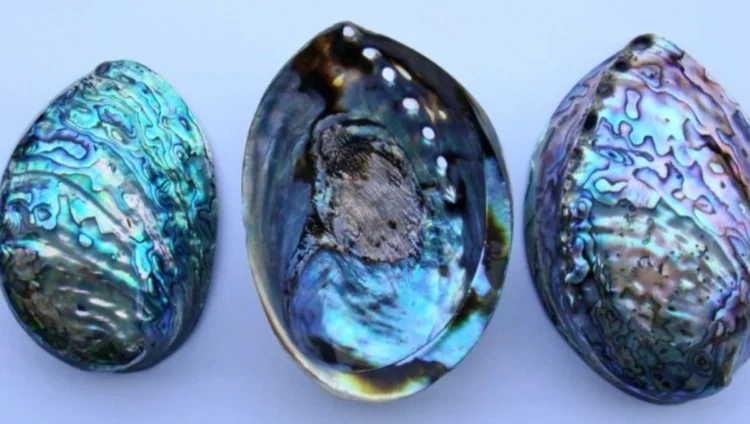
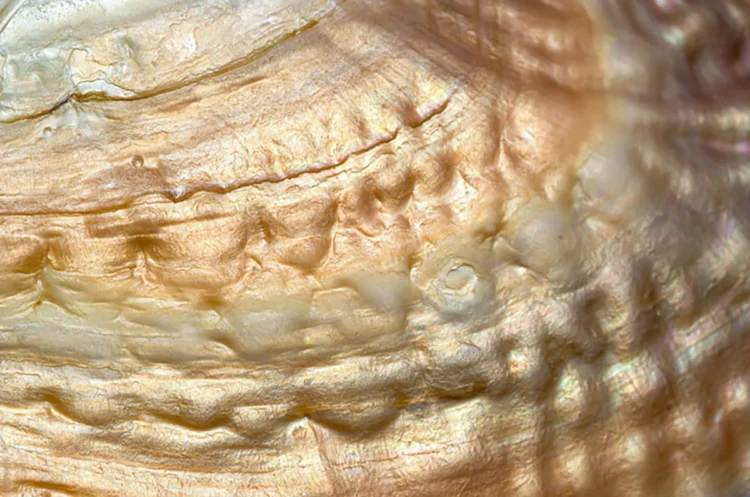
Mother of Pearl, also known as nacre, is the iridescent substance that is made inside the shells of mollusks such as oysters, mussels, and abalones. It is produced on the inner shell layer of these mollusks and it known for its signature luminous glow.
This organic material is the very same substance as pearls, making it a crucial component of both natural and cultured pearl production.
Why Is It Called Mother of Pearl?
The name “Mother of Pearl” comes from its role in producing pearls. The mollusk secretes layers of nacre over irritants or foreign objects inside its shell, eventually forming a pearl. Without Mother of Pearl, pearls would not exist.
History and Symbolism of Mother of Pearl
Mother of Pearl has a rich history that spans thousands of years, with evidence of its use dating back to ancient civilizations in Egypt, China, and India. These cultures valued Mother of Pearl not only for its visual appeal but also for its symbolic meanings and practical applications.
In many cultures, Mother of Pearl is considered a symbol of wealth, status, and power due to its rarity and stunning appearance. The material’s iridescent surface, created by successive layers of nacre, has long been associated with luxury and opulence. Ancient Egyptians, for example, used Mother of Pearl in jewelry and decorative items, believing it to be a symbol of the moon and the ocean, embodying a calming and soothing energy.
The material has also been associated with spiritual and mystical properties. In ancient China, Mother of Pearl was used in traditional medicine, with practitioners believing it had the power to cure a range of ailments, from fever to indigestion. This belief in its healing properties extended to other cultures as well, where it was seen as a symbol of good luck and prosperity.
In modern times, Mother of Pearl continues to be prized for its beauty and rarity. Jewelry designers and artists incorporate it into their work, creating pieces that highlight its luster and iridescence. Its unique combination of beauty, symbolism, and cultural significance continues to inspire and captivate people around the world, making it a timeless addition to any collection.
How Mother of Pearl is Made
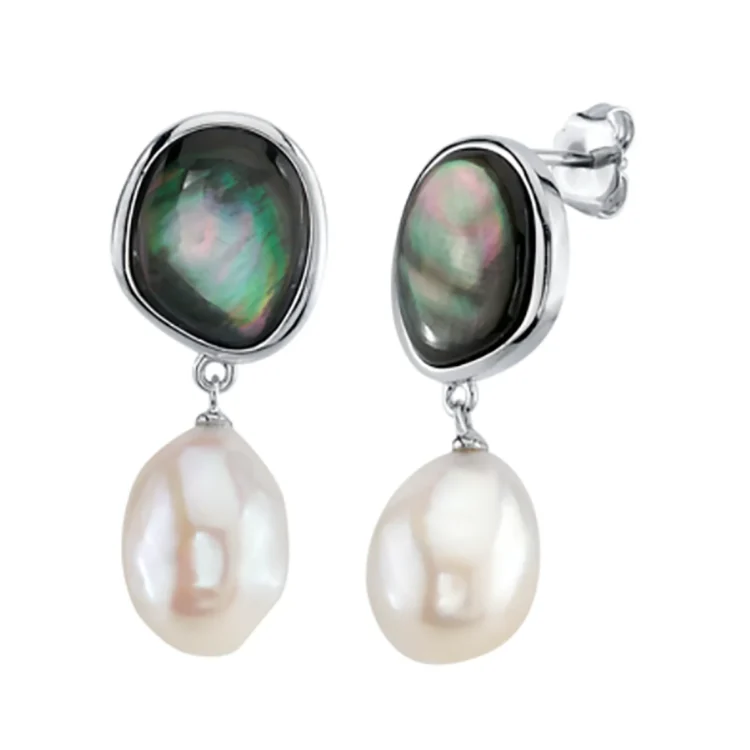
Mother of Pearl is created as a defense mechanism within mollusks. Nacre, the coating found on the inner part of mollusk shells, is secreted when an irritant, such as a grain of sand or parasite, enters the shell. The mollusk secretes nacre to coat and protect itself. This nacre builds up over time, forming either a smooth inner shell lining (Mother of Pearl) or a pearl if the irritant remains lodged inside.
Key Components of Mother of Pearl
- Calcium Carbonate (Aragonite & Calcite) – The primary mineral that forms nacre layers.
- Conchiolin – An organic protein that binds calcium carbonate layers, adding durability.
- Water & Organic Compounds – Help enhance iridescence and resilience.
Mother of Pearl vs. Pearls
Though both are made of nacre, there are key differences between Mother of Pearl and pearls:
| Feature | Mother of Pearl | Pearls |
|---|---|---|
| Formation | Lining of the mollusk's shell | Formed inside the mollusk as a round object |
| Appearance | Iridescent, smooth, and flat | Spherical or baroque with deep luster |
| Uses | Jewelry, watches, decor, musical instruments | Primarily jewelry and luxury adornments |
| Availability | More abundant and larger surface area | Rarer, formed over time inside the mollusk |
Types of Mother of Pearl
Mother of Pearl comes in a variety of colors and sources, each with unique characteristics.
1. White Mother of Pearl
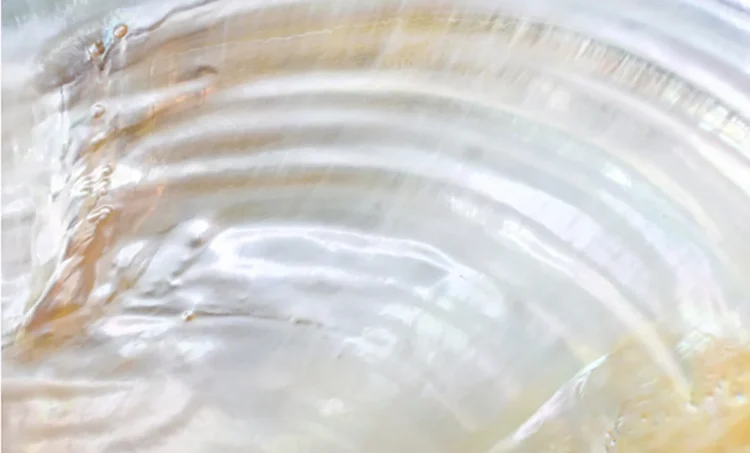
- Found in Akoya oysters, freshwater mussels, and Pinctada maxima oysters
- Classic white or silvery hues
- Commonly used in fine jewelry, watch dials, and inlays
2. Black Mother of Pearl
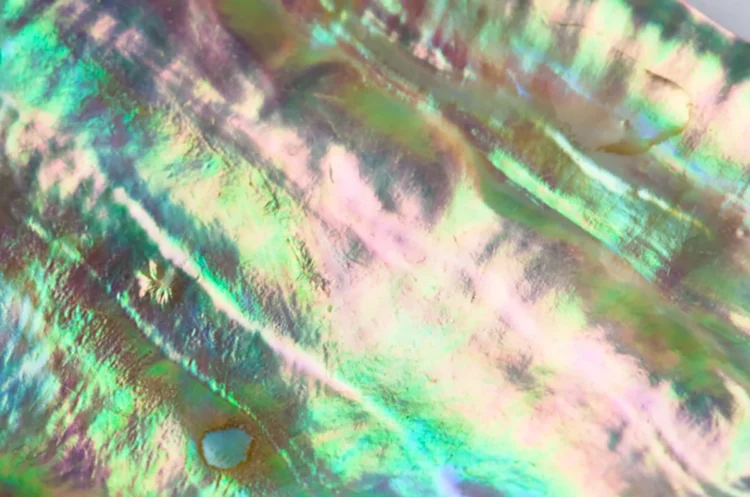
• Harvested from Tahitian black-lipped oysters (Pinctada margaritifera)
• Displays dark iridescent shades of green, blue, aubergine, and peacock. The iridescence appears over the entire surface of the material, enhancing its appeal.
• Popular for statement jewelry and luxury accessories
3. Golden Mother of Pearl
- Found in Pinctada maxima (gold-lipped oysters)
- Rich golden hues with a warm, metallic glow
- Highly valued for opulent jewelry and high-end décor
Uses of Mother of Pearl
Due to its durability and unique luster, Mother of Pearl is used in various industries:
1. Jewelry & Accessories
Mother of Pearl is crafted into earrings, pendants, rings, and bracelets, often combined with gold and silver for elegant designs.
2. Luxury Timepieces
High-end watch brands use Mother of Pearl dials for their natural shimmer and unique color variations.
3. Home Décor & Furniture
• Used in intricate designs on furniture, mirrors, and decorative boxes
• Mother of Pearl is chosen for its smooth and even surface
• Enhances the aesthetics of interior spaces and luxury accents
4. Musical Instruments
Mother of Pearl is often inlaid into guitars, pianos, and violins for intricate decorative details.
5. Fashion & Accessories
Many luxury handbags, buttons, and accessories incorporate Mother of Pearl due to its soft yet radiant sheen.
Caring for Mother of Pearl
To maintain the beauty of Mother of Pearl, follow these essential care tips:
1. Avoid Harsh Chemicals
• Keep away from perfumes, household cleaners, and acidic substances, which can weaken the nacre.
2. Keep It Dry
• Avoid prolonged exposure to water, as it can dull the luster over time.
3. Store Separately
• Place Mother of Pearl jewelry in a soft pouch or separate compartment to prevent scratching.
4. Clean Gently
• Use a soft, damp cloth to remove dirt and restore its natural shine.
• Avoid abrasive cleaners that can damage the surface.
Shop Mother of Pearl Jewelry
Discover Pearl Lumina collection of Mother of Pearl jewelry, featuring handcrafted designs that highlight this natural wonder. Explore elegant earrings, pendants, and statement pieces that bring timeless beauty to your collection.