
Home > Pearl Overtones
Pearl Overtones
When it comes to choosing the perfect pearl, most people focus on size, shape, or color. However, pearl color and the wide variety of pearl overtones are also key aspects people consider when selecting pearl necklaces, as each hue adds unique character and meaning.
Pearl overtones are the soft, translucent hues that appear over a pearl’s primary body color—an optical effect that gives pearls their depth, dimension, and unmistakable glow. Whether it’s a rose-tinted Akoya or a green-peacock Tahitian, the overtone can transform how a pearl looks against your skin and how it pairs with your personal style.
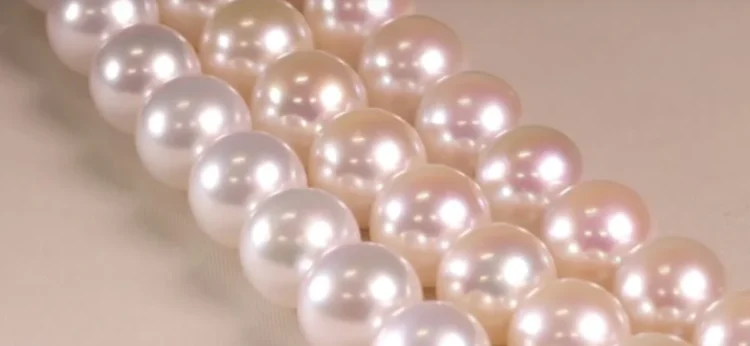
Overtones play a significant role in creating the classic look of pearl necklaces, making them timeless and elegant choices for any occasion.
What Is a Pearl Overtone?
A pearl’s overtone is the secondary color you see shimmering over its main body color. It’s not a surface pigment or dye, but rather a natural optical phenomenon caused by the way light interacts with the pearl’s layers of nacre.
Imagine looking into a pearl and seeing a whisper of pink, silver, or gold glowing on top of its primary color. That’s the overtone—an ethereal halo that enhances the pearl’s depth and gives it life.
The most common overtones found in pearls are known as the three overtones: rose, silver, and cream—often referred to as rose silver and cream.
Pearl Body Color vs. Overtone vs. Luster: What’s the Difference?
It’s easy to confuse these three terms, but they each describe different aspects of a pearl’s appearance:
- Body Color: The pearl’s base hue (e.g., white, cream, black, gold).
- Overtone: The secondary translucent color(s) that appear over the body color (e.g., rose, silver, green). Popular overtone choices for white pearls include silver, rose, and cream/ivory.
- Luster: The intensity and sharpness of reflected light on the pearl’s surface.
Example: A white pearl, such as a white Akoya, with a rose overtone will have a white body color with a soft pink glow on top. Its luster may be sharp and mirror-like, adding brilliance to the overall effect.
Among white pearls, rose and silver are the most popular overtones, while cream/ivory is the third most popular overtone, giving a subtle creamy hue that appeals to many buyers.
What Causes Pearl Overtones?
Overtones are created by interference and diffraction of light as it passes through layers of nacre. The thickness, transparency, and uniformity of these layers affect which colors are reflected back to the eye.
Several factors influence a pearl’s overtone:
- The species of mollusk
- The water quality and nutrient availability
- The pearl’s nacre thickness
- Lighting conditions when viewed
Because overtones are natural and vary from pearl to pearl, they add to a pearl’s individuality—and its beauty. Overtones are also an important factor in pearl grading, as pearls with a rare overtone are often considered more valuable and unique.
PEARL SPOTLIGHT
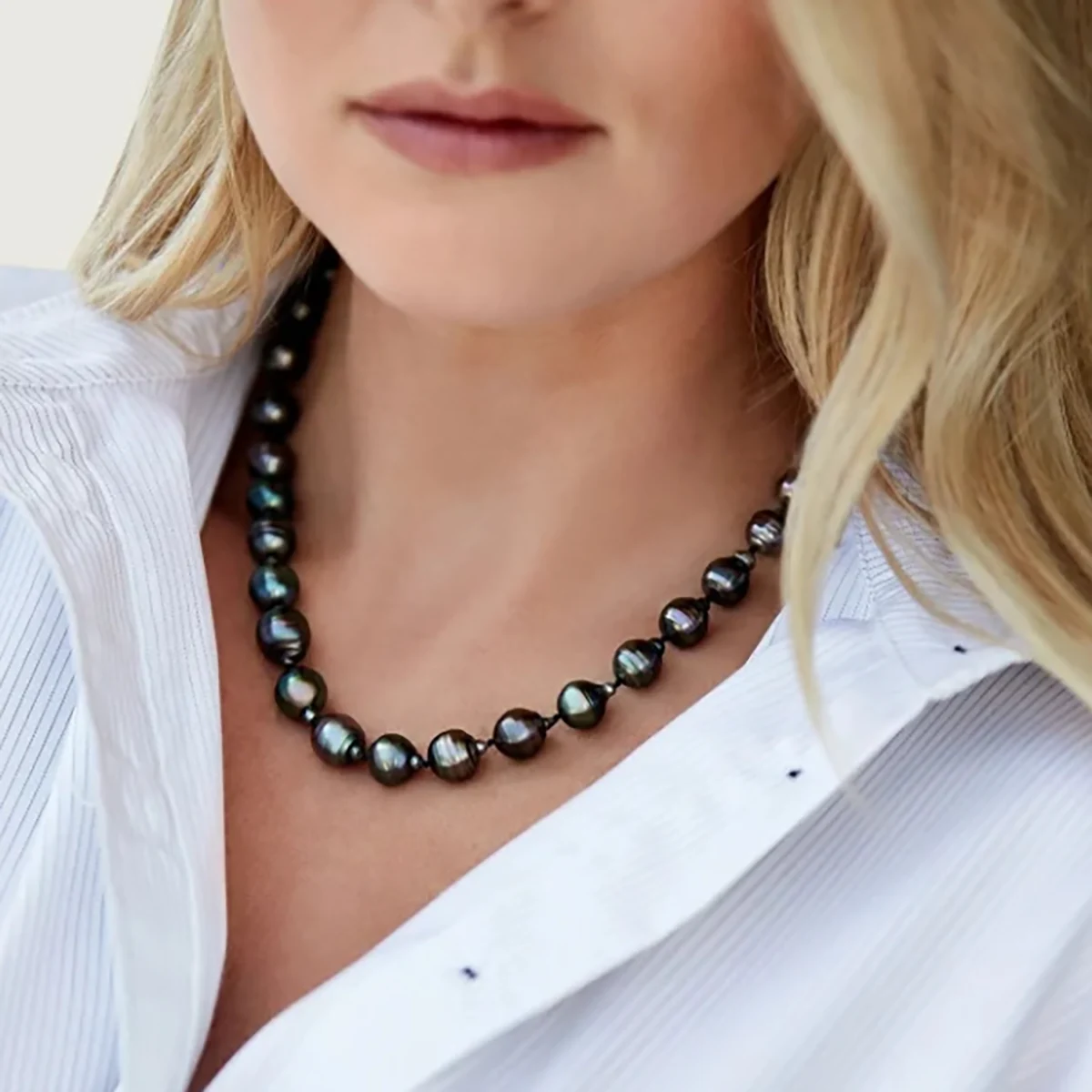
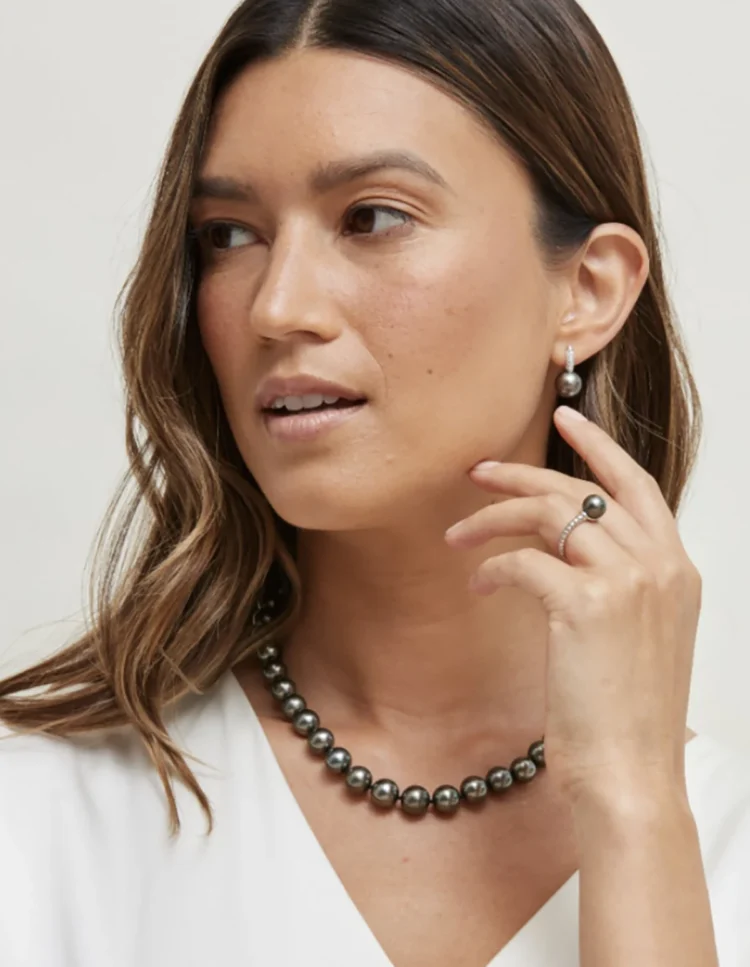
With their dark, luminous tones and captivating overtones—like peacock green, aubergine, and steel blue—black pearls offer a striking alternative to the traditional. Cultured primarily in French Polynesia, these Tahitian pearls are perfect for those who love a little edge with their elegance.
Explore the dramatic beauty of black pearl earrings and necklaces, and make a statement that’s anything but ordinary.
Why Overtones Matter
Overtones affect both the visual appeal and value of a pearl. A rare or particularly vibrant overtone can increase a pearl’s desirability, especially when paired with high luster and excellent surface quality. When buying pearls, especially real pearls, the overtone can influence your decision, as pearls with rare or vibrant overtones are often chosen as a special anniversary gift.
Overtones also affect how pearls:
- Look against different skin tones
- Pair with outfits or other gemstones
- Photograph or reflect light in different settings
Some overtones are universally flattering (like rose or silver on white pearls), while others offer bolder, more dramatic impact (like peacock on Tahitian pearls).
Common Pearl Overtones by Type
Each pearl type—Akoya, Freshwater, Tahitian, and South Sea—has its own range of natural overtones. Here’s a breakdown:
Akoya Pearls Overtones
Body Color: White or cream
Common Overtones:
- White – Cool-toned and modern
- Rose – Soft pink; classic and feminine
- Ivory – Warm, subtle glow
White
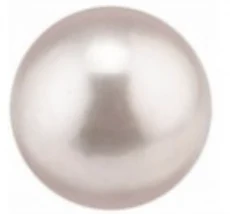
Rose
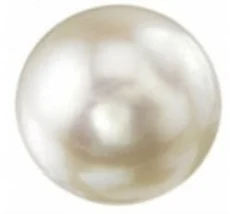
Ivory
What It Means:
Akoya pearls are known for their brilliant luster and subtle overtones. Rose is the most traditional choice and flatters most skin tones, while silver offers a cooler, more contemporary look. White Japanese Akoya pearls are especially valued for their signature rose, silver, and cream overtones.
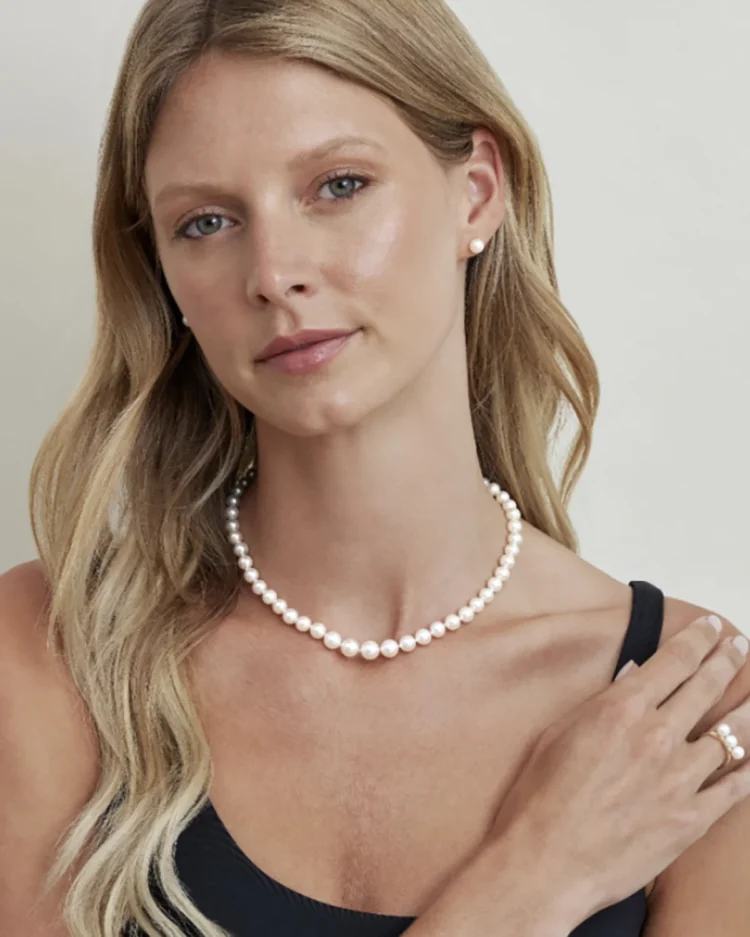
Freshwater Pearls Overtones
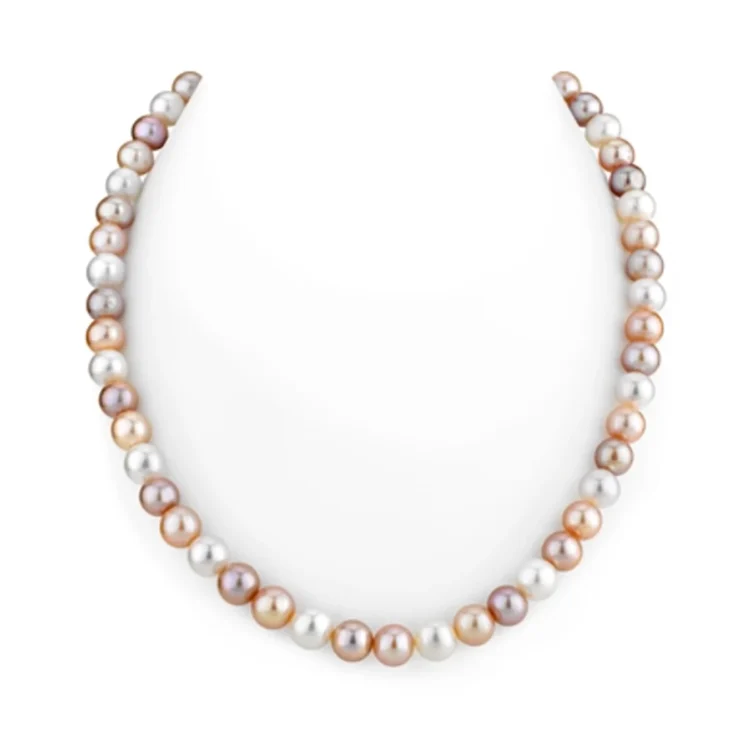
Body Color: White, pink, peach, lavender, peach pearls, pink pearls
Common Overtones:
- Pink – Bright and youthful
- Peach – Warm, golden undertones
- Lavender – Unique and modern
- Silver or cream – On white pearls, softens the finish
- Cream pearls – Known for their natural warm, subtle hue that adds richness and elegance
What It Means: Freshwater pearls offer a wide range of natural pastel overtones, including a variety of pinks from soft pastels to deeper rosy shades. Their warm white tones are especially prized for their natural elegance. They tend to have thicker nacre, which produces a soft, satiny glow. These overtones make freshwater pearls perfect for more expressive or colorful jewelry.
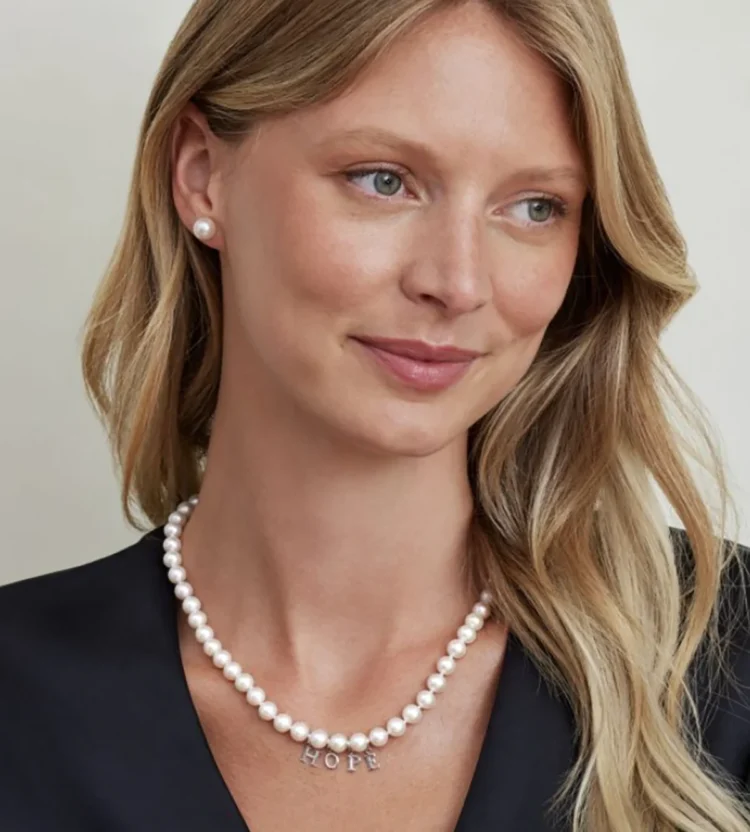
Tahitian Pearls Overtones
Body Color:Charcoal, green-gray, silver-black (commonly known as black pearls)
Common Overtones:
- Peacock – Green, blue, and purple mix (most sought-after)
- Green – Vibrant and fresh
- Aubergine – Deep purple tones
- Silver – Cooler and more subdued
- Rose – Rare, with a hint of pink over gray
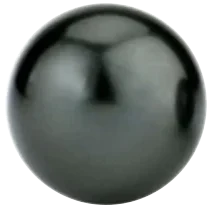
Black

Green
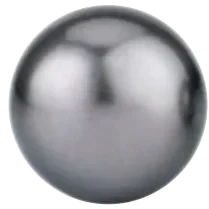
Silver
What It Means: Tahitian pearls, often referred to as black pearls, are famous for their dramatic overtones, especially the peacock variety. The interplay of colors makes them highly desirable for statement jewelry.
South Sea Pearls Overtones
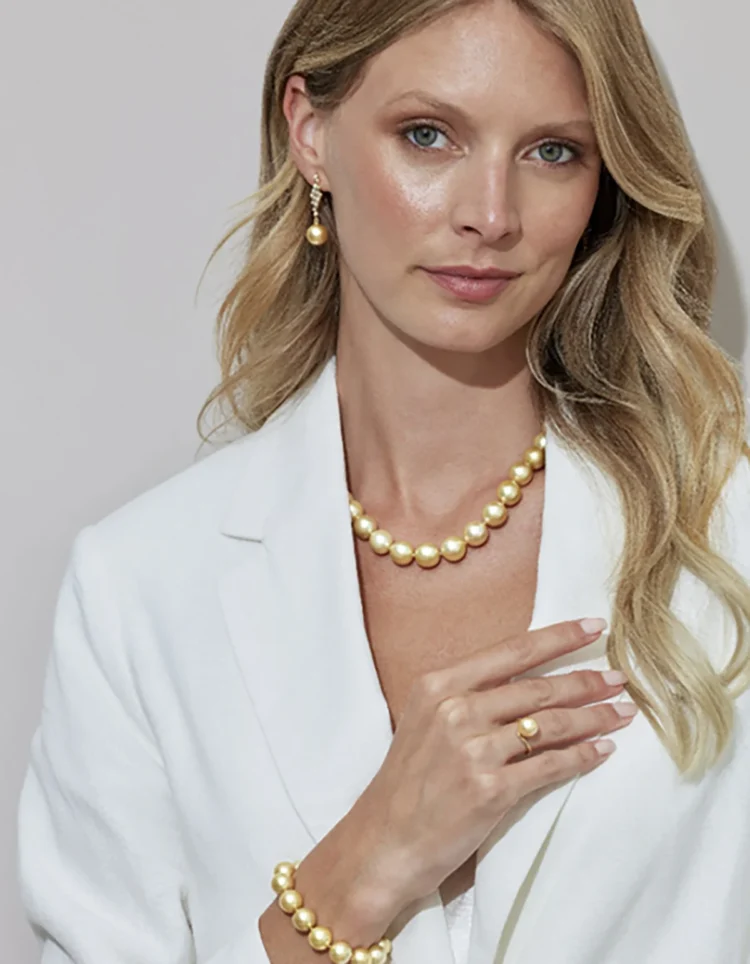
Body Color: South Sea pearls include both golden pearls and white South Sea pearls.
Common Overtones:
- Silver – Clean and luminous (white South Sea)
- Ivory – Warm and soft
- Cream – Slight golden warmth
- Champagne – Light gold (golden South Sea)
- Deep gold – Rich, luxurious tone
- Gold overtones – Subtle color nuances enhancing golden pearls
- Neutral gold – Balanced, subtle overtone found in golden pearls
What It Means: South Sea pearls have the thickest nacre of all pearl types, giving their overtones a glowing, velvety quality. The interplay of secondary colors and gold overtones gives golden pearls their luxurious appearance. Golden overtones, especially in deeper hues, are considered rare and highly valuable.
How to Choose the Right Overtone
When selecting pearls, consider how the overtone complements your skin tone, personal style, and wardrobe. Choosing overtones that suit various skin tones can create the most flattering effect.
Best Overtones for Cool Skin Tones:
- Silver or rose overtones (Akoya, South Sea)
- Lavender or pink (Freshwater)
- Peacock or silver (Tahitian)
Complementary Overtones for Warm Skin Tones:
- Cream or ivory (Akoya, South Sea)
- Peach or gold (Freshwater, South Sea)
- Green or champagne (Tahitian, South Sea)
Choosing Overtones for Neutral Skin Tones:
- Most overtones work well—choose based on mood, outfit, or symbolism
Overtones also affect how “formal” or “casual” pearls appear. Silver and white combinations often feel modern and sleek, while rose or ivory leans classic and romantic.
Pearl Jewelry and Overtones
Pearl jewelry is celebrated for its timeless elegance, but it’s the overtone of each pearl that often defines the mood and style of a piece. The overtone can transform a simple strand into a statement of sophistication or add a modern twist to classic designs. For instance, a pearl necklace featuring pearls with a rose overtone brings a soft, romantic warmth that’s perfect for formal occasions or bridal jewelry. On the other hand, pearl earrings with a silver overtone offer a sleek, contemporary edge that pairs beautifully with both casual and evening wear.
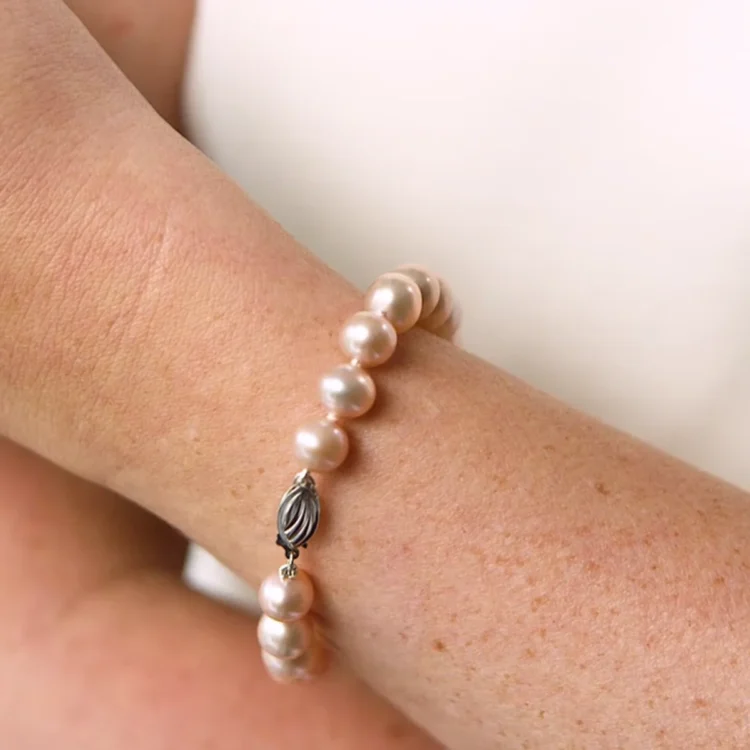
The interplay between the pearl’s overtone and the jewelry’s metal—whether gold, silver, or platinum—can further enhance the overall effect, making each piece of pearl jewelry uniquely expressive. Whether you prefer the subtle glow of a rose overtone or the cool shimmer of silver, choosing the right overtone allows your pearl jewelry to reflect your personal style and elevate any outfit.
Are Some Overtones More Valuable?
Yes. In general:
- Rarity increases value (e.g., true peacock Tahitians, deep golden South Seas, and South Sea pearl varieties with unique overtones)
- Intensity and saturation of the overtone can command higher prices
- Matching overtones across a strand or earring set increases consistency and value
However, personal preference often outweighs price. Some buyers may pay a premium for a color that speaks to them—even if it’s not technically rare.
Caring for Pearl Jewelry and Preserving Overtones
To keep your pearl jewelry looking radiant and to preserve the unique overtone of each pearl, proper care is essential. Always store your pearls in a cool, dry place, away from direct sunlight and harsh chemicals, to prevent damage and maintain their natural beauty. Avoid exposing pearls to extreme temperatures or humidity, as these conditions can cause the nacre to dry out or crack. When cleaning your pearls, use a soft cloth and mild soap—never abrasive materials or harsh chemicals, which can dull the overtone and damage the pearl’s surface.
Regular, gentle cleaning will help maintain the luster and unique characteristics of your pearls for years to come. Handle your pearl jewelry with care, as pearls are naturally delicate and can be easily scratched or chipped. By following these simple care tips, you’ll ensure that your pearls—and their beautiful overtones—remain a cherished part of your jewelry collection for generations.
Pearl Overtone FAQ
Can a single pearl have more than one overtone?
Yes! Many pearls—especially Tahitian—display layered or shifting overtones depending on lighting and angle.
Do overtones fade over time?
No. Pearl overtones are an intrinsic result of nacre structure and will not fade if pearls are properly cared for. However, proper storage is essential to preserve the overtone and prevent damage.
Are dyed pearls the same as overtone pearls?
No. Dyed pearls have artificially altered body color. Overtone is a natural effect and adds value; dye does not.
How can I see overtone differences in person?
Look at pearls under natural light. Tilt them gently—overtone will appear as a translucent sheen that changes slightly as you move.
Can I store pearls with other jewelry?
No, pearls should not be stored with other jewelry. Store pearls separately to avoid scratches and preserve their overtones. Proper storage, such as using a soft pouch or lined box, helps maintain their quality.
Final Thoughts
Overtones are the secret language of pearls—whispers of color that reveal each gem’s unique character. They’re what give pearls their emotional dimension, transform how they pair with your wardrobe, and elevate them from simple accessories to deeply personal treasures.
Whether you’re drawn to the rosy blush of Akoya pearls, the mysterious green of a Tahitian peacock, or the sun-kissed glow of a golden South Sea gem, understanding overtones will help you choose pearls that feel like a true reflection of your style—and your story.