Home > Cleaning Pearls
How To Clean Pearls
Pearls aren’t like other gemstones—they’re softer, more delicate, and uniquely organic. Whether you’ve just unwrapped a new strand of Akoya pearls or inherited a vintage South Sea necklace, knowing how to clean and care for them is essential. Both natural and cultured pearls require special attention due to their delicate nature and specific care needs. With the right approach, your pearls can maintain their luster and beauty for generations.
Yellowed pearls require gentle cleaning methods to restore their luster, but everyday substances like sweat, perfume, and even air pollution can dull or weaken pearls over time if not cleaned off properly.
In this guide, we’ll walk you through exactly how to clean pearls safely at home, how often you should do it, what to avoid, and how to store and protect them long-term. Whether you wear your pearls every day or only on special occasions, these tips will help you keep them looking their best.
Understanding the Unique Nature of Pearls
Pearls are unlike most gemstones—they’re organic, formed inside oysters or mussels through layers of nacre. This natural material gives pearls their luminous glow, but also makes them soft and porous. Pearls are made of organic material, which can decompose over time.
On the Mohs scale of hardness, pearls rank between 2.5 and 4.5—far lower than diamonds or rubies—making them more susceptible to scratches and surface damage. They also absorb substances like skin oils, acids, and cosmetics, which can dull their shine over time.
Even the silk thread used to string many pearl necklaces is frag, easily stretched or weakened by moisture. That’s why cleaning pearls requires a gentle, preventative approach—not soaking, scrubbing, or harsh chemicals.
What You’ll Need To Clean Pearls At Home
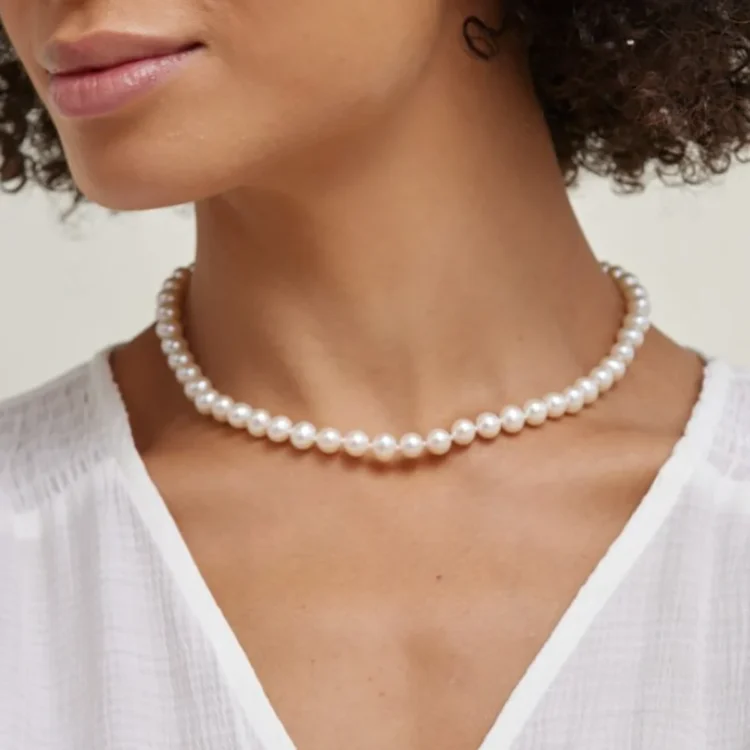
You don’t need any fancy tools or expensive products to clean pearls. Just a few gentle, everyday items like gentle soap (such as mild dish soap), mixed with lukewarm water is enough to gently clean visible stains. In fact, using the wrong cleaning supplies can actually do more harm than good. When it comes to pearl care, less is more. It is important to select gentle cleaning solutions to ensure the preservation of both the pearls and the cleaner’s safety.
A Soft, Lint-Free Cloth
This is the most important item in your pearl care kit. A clean, non-abrasive cloth (like microfiber or flannel) is ideal for wiping down your pearls after each wear. This removes sweat, body oils, and environmental residue that can dull their shine.
Pro tip: Keep a soft cloth in your jewelry box to remind yourself to wipe your pearls down before storing them.
Mild Soap (No Fragrance or Dye)
When it’s time for a deeper clean, you’ll want a gentle, fragrance-free soap. Look for mild dishwashing liquid or baby shampoo—avoid anything labeled “antibacterial,” as these formulas can be too harsh.
Avoid: Soaps with added moisturizers, exfoliants, or citrus oils.
Lukewarm Water
Use room temperature or slightly warm water. Too hot or too cold can shock the nacre and damage delicate silk threads. If your tap water is particularly hard (high in minerals), consider using distilled water to avoid residue.
A Small Bowl
Use this to mix your soap and water solution. Never run your pearls directly under the faucet—this can put stress on the silk string or accidentally introduce too much water.
A Clean, Dry Towel
Lay your pearls flat on a towel to air dry completely to prevent damage. Make sure it’s clean, soft, and placed on a flat surface. This helps the pearls keep their shape and protects the thread from stretching.
What NOT To Use On Pearls
To keep your pearls in perfect condition, steer clear of these common cleaning tools and substances:
- Toothbrushes or abrasive sponges – even soft ones can scratch the surface.
- Jewelry cleaners or wipes – many contain alcohol or ammonia, which can dissolve the nacre.
- Vinegar, lemon juice, baking soda – too acidic or abrasive.
- Ultrasonic or steam cleaners – the vibration and heat can crack pearls and weaken stringing material.
- Paper towels or tissues – these may seem soft but can still be abrasive and leave fibers behind.
How To Clean Pearls Safely: Step-by-Step
While pearls may feel smooth and sturdy in your hand, their delicate nacre requires an extremely gentle touch. Regular cleaning helps preserve their natural beauty, but it’s important to do it the right way—without causing unnecessary wear or damage.
Below is a detailed, safe method for cleaning pearl jewelry at home:
Step 1: Prepare a Gentle Cleaning Solution
In a small bowl, mix a few drops of mild, fragrance-free soap with lukewarm water. You’re not looking for bubbles or foam—a little soap goes a long way.
Why it matters: Strong detergents, especially those with added scents, dyes, or disinfectants, can strip away the natural sheen of your pearls. Lukewarm water is gentle on both the nacre and the silk thread.
Step 2: Dampen a Soft Cloth
Dip a soft, lint-free cloth into the soapy solution. Wring it out until it’s just damp—not dripping wet. Excess moisture can damage the silk string that holds most pearl necklaces together.
Step 3: Wipe the Pearls Gently
Using the damp cloth, gently wipe each pearl one at a time. Move in small, circular motions, being careful not to tug or press too hard.
Step 4: Remove Any Soap Residue
Rinse your cloth with clean, lukewarm water (no soap), and wipe down the pearls again to remove any leftover residue. Make sure the cloth is just lightly damp—not soaked.
Step 5: Dry Pearls Completely
Lay the pearls flat on a clean, dry towel. Allow them to air dry completely in a cool, shaded area to prevent damage—this can take several hours depending on humidity. Avoid using a blow dryer, heater, or direct sunlight, and never hang a pearl necklace to dry as gravity can stretch the silk thread.
Aftercare: How To Store & Protect Your Pearls
Cleaning is just one part of pearl care—how you store and protect your pearls afterward is just as important. Proper aftercare helps preserve the natural luster of your pearls, prevent accidental damage, and extend the life of the silk string they’re often strung on. Pearl maintenance is crucial for preserving their beauty and longevity, ensuring they remain cherished heirlooms.
How To Store Pearls Safely
Pearls are surprisingly sensitive to their surroundings—even how you store them can impact their longevity. When storing your pearls, always keep them in a soft cloth or pouch to avoid scratches. Protect pearls by using materials like silk or velvet for wrapping and ensure they are kept away from chemicals and heavy objects to prevent damage. Here’s how to do it right:
- Use a soft pouch or lined jewelry box to keep your pearls cushioned and protected from scratches.
- Store them flat—not hanging—to protect the string.
- Keep them separate from other jewelry. Diamonds and metal chains can easily scratch the soft surface of pearls.
- Avoid plastic bags or airtight containers. Pearls need a bit of moisture in the air. Sealing them off completely can cause them to dry out over time.
Pearl bracelets and necklaces, in particular, should be stored in a soft pouch or lined jewelry box to prevent damage and maintain their delicate strands. Wrap your pearls in a soft cloth if you’re storing them for longer periods to add an extra layer of protection against dust, scratches, and humidity changes.
Pearls Love Moisture—In Moderation
One of the most surprising facts about pearls? They benefit from being worn.
The natural oils in your skin can help maintain the moisture and glow of pearls—just be sure to wipe them down after each wear.
But that doesn’t mean they love all moisture. Exposure to sweat, perfume, hair products, and sunscreen can be harmful. So, always make pearls the last thing you put on, and the first thing you take off.
Common Pearl Cleaning Mistakes (And How to Avoid Them)
Even with the best intentions, it’s easy to make mistakes when cleaning pearls. Proper care ensures that pearls remain beautiful and cherished items in your jewelry collection. Here are a few of the most common missteps—and why they’re problematic:
- Soaking pearls in water: Water can weaken or damage the silk thread. It also risks penetrating drilled holes, causing internal damage or discoloration.
- Using jewelry cleaner meant for metals or diamonds: Many commercial jewelry cleaners contain ammonia or alcohol—both of which can eat away at nacre.
- Scrubbing with a toothbrush or abrasive pad: Even soft brushes can cause micro-scratches that dull a pearl’s surface.
- Storing pearls with harder gems: Storing your pearls next to diamonds, sapphires, or even metal chains can lead to scratches and chips over time.
- Cleaning with vinegar, lemon juice, or baking soda: Pearls are made of calcium carbonate—the same material that fizzes when it meets acid. These substances can break down the pearl’s surface.
How Often Should You Clean Pearls?
How frequently you clean your pearls depends on how often you wear them:
- Everyday wearers:
Wipe your pearls with a soft cloth after each use. Give them a deeper clean once every 1–2 months, or more often if you wear them with makeup or skincare products. - Occasional wearers:
Wipe down after each use and clean before and after storing for long periods (like between seasons or events). - Heirloom pieces:
If you don’t wear them often, a gentle clean before and after wearing should be sufficient. You might also want to have them professionally cleaned and restrung every few years.
When To See a Professional Jeweler
Sometimes, pearls need more than a simple at-home clean. Here’s when to see a pro cleaner:
- The silk thread looks stretched, frayed, or discolored
- You notice visible damage to the pearl surfaceand aren’t sure of their condition
- You’ve inherited vintage or antique pearls
- Your pearls are part of a mixed-metal setting or combined with other gemstones
Restringing tip:
If you wear your pearl necklace often, aim to have it professionally restrung every 1–2 years. Look for knotted stringing between each pearl, which prevents rubbing and adds security.
A trusted jeweler can clean your pearls with industry-approved methods and help restore their original glow—without putting them at risk.
Pearl Cleaning FAQs
We’ve covered the basics, but here are some quick answers to the most commonly asked pearl cleaning questions:
Can you clean your pearls with baking soda?
No. Baking soda is abrasive and can damage the delicate nacre of the pearl, causing it to dull or scratch.
What if my pearl jewelry includes gold, diamonds, or other stones?
Spot-clean around the other elements, avoiding direct moisture on the metal or stones. For mixed-material pieces, a jeweler can safely clean the entire piece without compromising any component.
Is there a safe pearl cleaning spray?
Most jewelry sprays are formulated for metal or diamonds. If you’re using any spray product, make sure it’s specifically labeled as safe for pearls. When in doubt—stick with soap and water.
Can I use a toothbrush on pearls?
No. Even the softest toothbrush can leave micro-abrasions on the pearl’s surface. Use a soft cloth or a clean makeup brush instead.
Can I use jewelry wipes to clean pearls?
Most pre-packaged wipes are too harsh for pearls. They often contain alcohol or chemicals that can damage nacre. Stick with a damp cloth and mild soap.
Do pearls go bad or expire?
Not exactly—but pearls can deteriorate over time without proper care. Dullness, yellowing, or flaking can occur if pearls are stored improperly or exposed to harsh elements.
Final Tips: Keep Your Pearls Radiant for Years to Come
With just a little extra care, your gorgeous pieces from PearlLumina can remain as stunning and luminous as the day you got them. From regular gentle cleaning to proper storage, these simple steps protect your pearls’ fine surface and ensure they stay a cherished part of your collection.
Now you know how to look after these organic gemstones, it’s time to build your jewelry collection! Explore pearl jewelry, from classic pearl necklaces to modern baroque pieces, and enjoy their unique luster for life.